If you’re serious about maximising land value without sacrificing liveability, a duplex house design plan is hard to beat. Whether you’re building to live in one side and rent the other, or developing for resale, a well-thought-out duplex type house design gives you flexibility, income potential, and long-term growth.
But here’s the thing, not all duplexes are created equal. A strong home design duplex layout is what separates a cramped investment from a solid, practical home people actually want to live in.
Why a Duplex Makes Sense
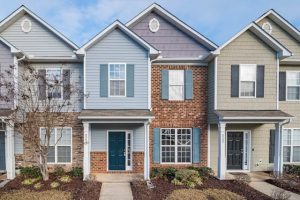 Land isn’t getting cheaper. Councils are tightening rules. And buyers want smarter housing options. A duplex gives you two dwellings on one block, usually sharing a central wall. That means:
- Better use of land
- Stronger rental returns
- Lower building cost per dwelling compared to two separate houses
- Multi-generational living options
With the right duplex house design plan, you’re not just building two homes. You’re building two smart assets.
What Makes a Strong Duplex Type House Design?
A tough, practical duplex type house design focuses on three things: privacy, functionality, and street appeal.
- Privacy First
Nobody wants to feel like they’re living in a fishbowl. A solid home design duplex includes:
- Separate driveways where possible
- Clever window placement
- Acoustic insulation in the shared wall
- Private outdoor areas for each side
Good design avoids that “mirrored box” look and gives each unit its own identity.
- Smart Floor Plan Layout
The best duplex house design plan puts living areas downstairs and bedrooms upstairs (for double-storey builds). This keeps entertaining spaces open and bedrooms quiet.
Open-plan kitchens, decent storage, proper-sized bedrooms, no cutting corners. If it feels tight on paper, it’ll feel worse in real life.
- Street Presence
Even though it’s two homes, it should look like one strong architectural statement. A well-designed duplex type house design boosts resale value when it looks modern, balanced, and sharp from the street.
Single Storey vs Double Storey Duplex
Your block size usually makes the decision for you.
- Single-storey duplex: Great for wider blocks. Easier access, lower build complexity.
- Double-storey duplex: Ideal for narrow lots. Maximises internal space without eating up backyard.
A properly planned home design duplex adapts to the land, not the other way around.
Mistakes to Avoid
A rushed duplex house design plan can cost you later. Avoid:
- Poor orientation (ignoring natural light)
- No storage space
- Tiny courtyards no one uses
- Overcomplicated roof lines that blow out the budget
Build smart. Keep it practical. Think long-term.
Straight Answers Before You Build
Is a duplex a good investment?
Yes, when designed properly. A well-executed duplex type house design can generate dual income or strong resale returns. Location and council approval are key.
How much land do I need for a duplex house design plan?
It depends on your local council regulations. Generally, wider blocks make life easier, but many modern home design duplex layouts work well on narrow lots.
Is building a duplex more expensive than a single home?
Upfront costs are higher than one home, but cost per dwelling is usually lower. The shared wall and services reduce overall expenses compared to building two detached houses.
Can both sides look different?
Yes. A smart duplex type house design can use varied façades, colours, or finishes while keeping structural symmetry.
Is it harder to sell a duplex?
Not at all. In many areas, duplex homes are in high demand, especially for investors and extended families.
A duplex isn’t just about squeezing two homes onto one block. It’s about designing smart, building tough, and planning for the future. Get the duplex house design plan right from day one, and everything else falls into place.